
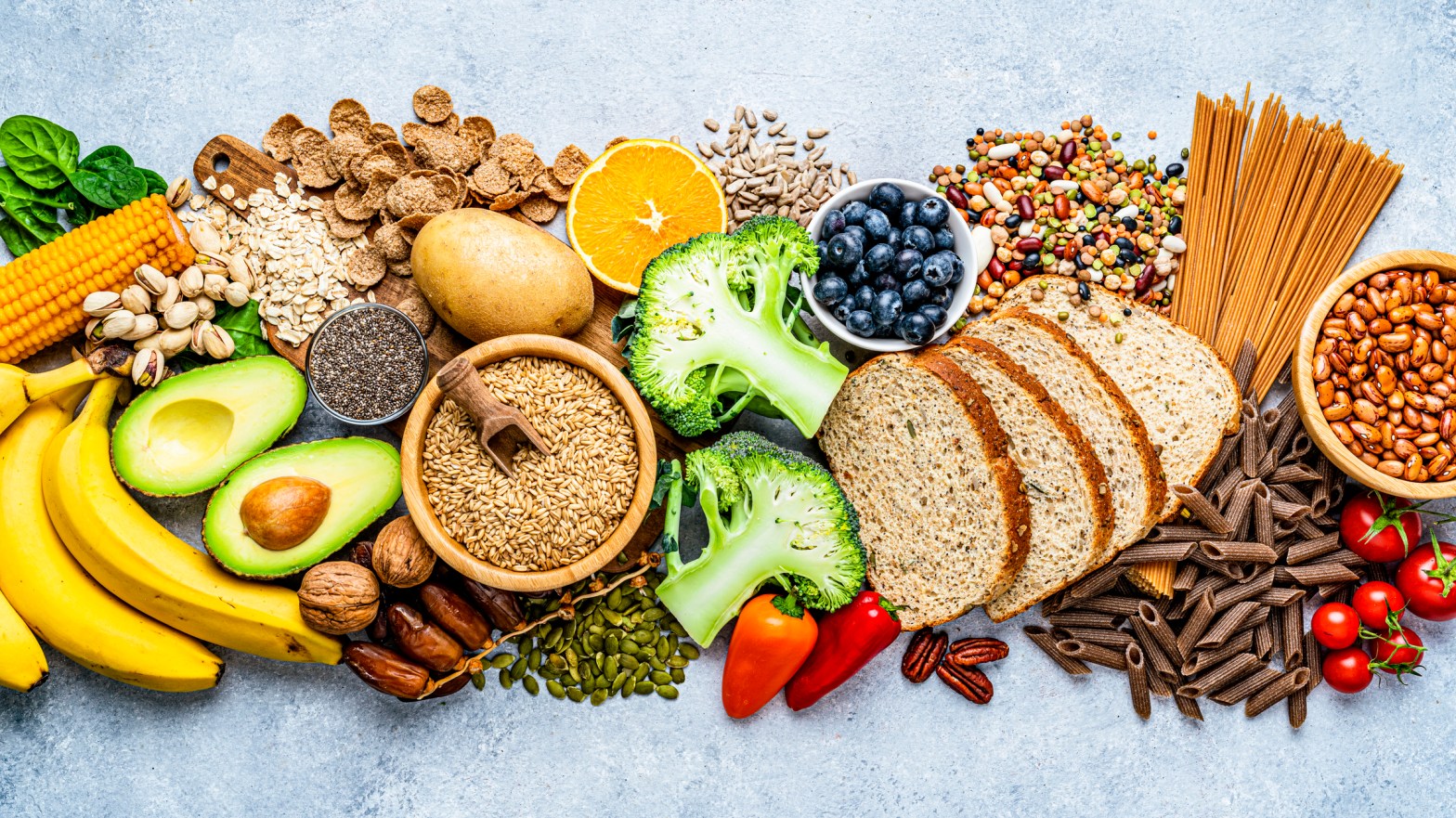
Adequate dietary fibre intake is essential for preventing and alleviating constipation. Fibre facilitates the smooth passage of waste through the digestive system and supports overall gut health. Consuming an appropriate amount of fibre daily increases stool bulk, promotes regular bowel movements, and minimizes the duration that waste remains in the intestines.
Benefits of Fibre
Fibre plays a crucial role in weight management, enhances gut health, and lowers the risk of chronic conditions such as cardiovascular disease and type 2 diabetes. Our objective is to achieve daily bowel movements with complete evacuation, which can be accomplished by incorporating a diet rich in vegetables, fruits, whole grains, and legumes.
Dietary fibre is a vital component of a healthy diet, contributing to gut health and reducing the risk of chronic illnesses. Unfortunately, many individuals do not meet the recommended fibre intake. Additionally, fibre aids in moderating the body’s absorption of sugar, thereby preventing postprandial blood sugar spikes. For those aiming for weight loss, increasing fibre consumption can promote satiety, reducing the likelihood of indulging in high-calorie snacks.
Types of Fibre: Soluble and Insoluble
Soluble fibre dissolves in water and offers various health benefits, including cholesterol reduction and support for cardiovascular health. Sources of soluble fibre include beans, oats, fruits, nuts, and certain vegetables.
In contrast, insoluble fibre does not dissolve in water and primarily traverses the gastrointestinal tract intact. It adds bulk to stool and promotes faster passage, thereby preventing constipation. Key sources of insoluble fibre include whole grains, fruits, and vegetables.
Maintaining regular bowel function is crucial for overall health. For those experiencing constipation, digestive aids such as psyllium, slippery elm, aloe vera juice, Metamucil, or Benefibre can be effective; selecting a suitable option based on individual tolerance is recommended.
The consequences of irregular bowel movements can include haemorrhoids, bowel incontinence, and abdominal bloating. Proper positioning on the toilet is also important for complete bowel evacuation; utilizing a footstool and leaning forward with arms resting on thighs can facilitate this process.
Having a balance diet rich in Vegetables, leafy greens, fruits, exercises, a good night sleep and some relaxation is the key to a good health.
 Meditation and family yoga