
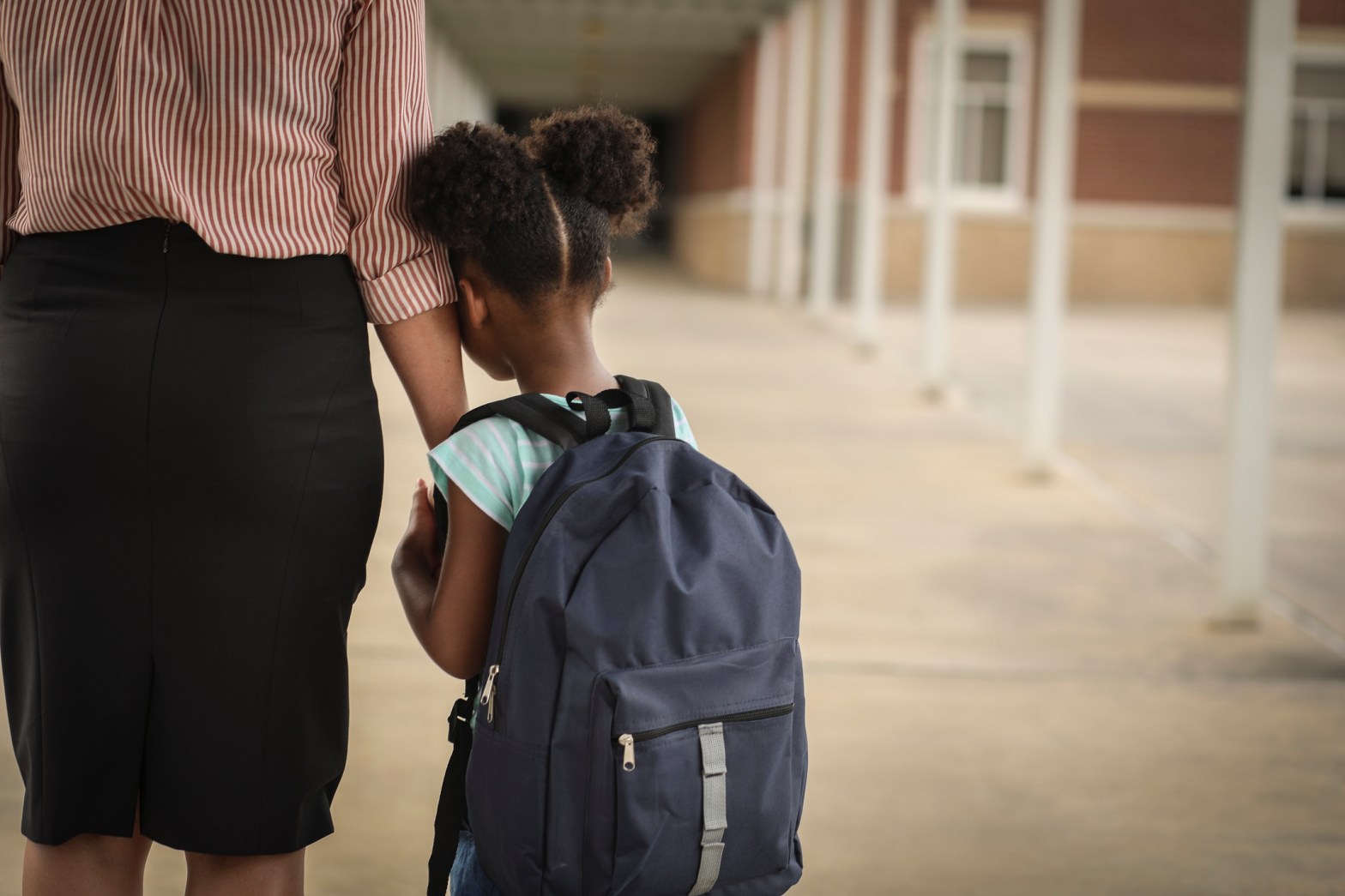
As the new school year begins, many students may experience a sense of anxiety or unease. Whether they are entering a new school, transitioning to university, or simply returning after a long break, this anxiety is a common and natural response. While anxiety can serve as a motivational force to perform well, it becomes a concern when it starts to impede daily functioning. Here are some strategies that can help ease the transition and support students, both young and older, as they navigate the back-to-school period.
1. Start Preparations Early
A month before school or university begins, take some time to check off essential items such as new shoes, uniforms, school supplies, and backpacks. Turn this into an enjoyable family outing. Take your children shopping and make it a fun experience by having lunch together in between stops. For university students, consider meeting with friends to discuss the upcoming academic year. Even if you don’t purchase everything immediately, simply visiting stores and reviewing the necessary materials can help reduce anxiety and make the process feel more manageable.
2. Plan and Involve Your Child
Two weeks before school starts, begin preparing by dusting off the lunchbox and allowing younger children to choose their own lunchbox or backpack. For high school students, take them out to purchase the supplies they need for the upcoming year. This involvement fosters a sense of control and anticipation, helping to ease feelings of uncertainty.
3. Familiarize New Students with Their Environment
For students entering a new school, consider having them try on their uniform at home before the first day. Take a photo to help them feel more comfortable with how they will look and consider doing a drive-by of the school to help familiarize them with the environment. Familiarity can significantly reduce anxiety on the first day.
4. Encourage Open Communication and Support
For students who may be anxious, assure them that they are welcome to ask questions and that teachers are there to support them. Reinforce the idea that it’s okay to seek assistance and that they are not alone in navigating their academic journey.
5. Acknowledge the Challenges of Re-entry
It’s common for students to feel nervous or apprehensive after a long break. Encourage open dialogue by asking open-ended questions, while respecting their space if they prefer not to share. Try to limit extracurricular activities during the first term, if possible, to allow time for adjustment. Above all, provide your child with the opportunity to think, reflect, and problem-solve independently.
6. Establish a Healthy Routine for the First Week
During the first week of school, ensure that your child has a consistent and restful sleep schedule. If parents are returning to work, consider preparing for the next day the night before to ease morning stress. It’s essential to maintain a healthy balance between school, work, and personal life. Display the school calendar in a visible place, such as the refrigerator, to stay informed about events and plan ahead.
7. Be Patient and Allow Time for Adjustment
The first week back to school can be challenging for students of all ages. Fatigue often sets in by the end of the week, which can lead to irritability, stress, and emotional responses. Give your child or teen time to unwind after this period of adjustment and be patient with them as they navigate this transition.
By following these strategies, parents can help mitigate back-to-school anxiety and support their children in making a successful and smooth transition into the new academic year.
 Meditation and family yoga