

Perimenopause is a natural and inevitable stage in every woman’s life—but that doesn’t mean it has to be overwhelming. With the right knowledge and proactive care, this phase can be managed gracefully, allowing you to feel empowered, energetic, and in control of your body.
As estrogen levels begin to decline, your body undergoes a cascade of changes. Cortisol (your stress hormone) often spikes, which can lead to fatigue, stubborn belly fat, weight gain, inflammation, and joint discomfort. Understanding what your body truly needs is crucial—and that journey begins with proper testing, not internet guesswork.
Remember: It’s all about bloodwork, not guesswork.
A comprehensive blood panel gives you real insight into your hormone levels, nutrient deficiencies, and inflammatory markers. Only then can you tailor your wellness plan to fit your body’s unique needs.
🚫 The Don’ts of Perimenopause
1. Don’t Overtrain
The outdated “eat less, train more” mindset doesn’t serve women over 40. High-intensity or strenuous workouts can increase stress on the body, exacerbating hormone imbalances.
2. Don’t Fall into Diet Culture Traps
Severe calorie restriction sends stress signals to your body, leading it to store more fat. As estrogen drops, your organs are already working harder—don’t add unnecessary pressure with fad diets.
3. Don’t Skip Breakfast
Skipping meals, especially in the morning, triggers a cortisol response. The body interprets fasting as stress and stores fat for future energy. A protein-rich breakfast helps regulate hormones and kickstart metabolism.
4. Don’t Underestimate Sleep
Late nights and poor-quality sleep disrupt hormone production and contribute to weight gain, mood swings, and brain fog. Aim for consistent, restorative sleep. Consider magnesium oil spray as a natural aid—it’s beneficial for adults and kids alike.
✅ The Do’s of Perimenopause
1. Walk Daily—But forget the 10,000 Steps Myth
The 10,000-step goal originated from a 1960s marketing campaign at the Tokyo Olympics when they realise 10,000 in Japanese character looks like a person walking no scientific benefits there. What matters most is consistency and movement. Here’s what a walk can actually do for you:
- 2 minutes: Boosts blood circulation
- 5 minutes: Improves your mood
- 10 minutes: Begins reducing cortisol—the main hormone we aim to manage in perimenopause
- 15 minutes: Helps regulate blood sugar
- 30 minutes: Initiates fat burning
- 45 minutes: Eases anxiety and negative thinking
- 60 minutes: Triggers dopamine release—your “feel good” hormone
Follow @mindscapemaster on Instagram for more walking wellness tips.
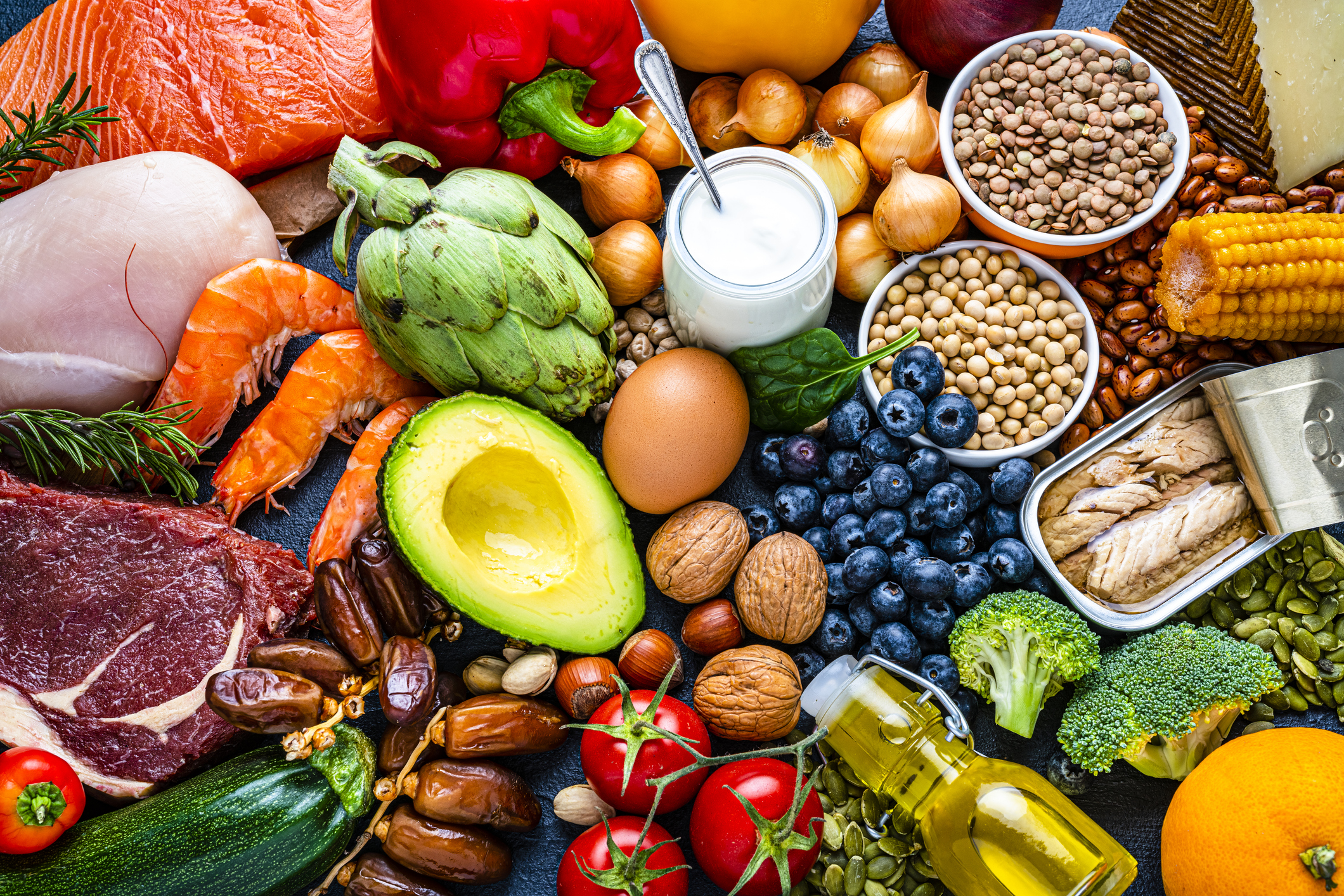
2. Embrace the Mediterranean Diet
Focus on whole, plant-based foods, healthy fats (like olive oil and avocados), and lean proteins. This anti-inflammatory diet supports hormone balance and long-term health.
3. Track Your Food
Keeping a food diary can reveal trigger foods and deficiencies, helping you make more informed choices. From there, you can customize your nutrition plan to match your needs.
🔑 Three Pillars of Perimenopause Wellness
1. Metabolism
As estrogen declines, metabolism slows. This shift makes it easier to gain weight and harder to lose it. Balanced meals with higher protein and proper timing are essential.
2. Sleep Patterns
Quality sleep is directly linked to hormonal health. Prioritize routines that promote deep rest—this is when your body heals and rebalances.
3. Gut Health
You could be eating the cleanest, most nutritious food—but if your gut is out of balance, your body can’t absorb those nutrients properly. Gut health often declines during perimenopause due to hormonal changes affecting digestion.
Pro Tip: This isn’t just about drinking kombucha or taking probiotics. It’s about truly understanding your digestive system, identifying what helps and what hinders, and giving your gut the tools it needs to thrive.
If your digestion feels sluggish, your liver feels overwhelmed, or your bowel movements are irregular, start there. Rebalancing the gut can reduce inflammation, improve mood, and even ease hormonal symptoms.
I highly recommend exploring Lee Holmes at superchargedfood.com. As a clinical nutritionist and gut health advocate, she’s been a major inspiration in my own journey—and the reason I’m now studying nutrition myself at Nature Care College.
🌿 What’s Next?
Stay tuned for next month’s feature, where I’ll be sharing easy, nutrient-rich recipes specifically designed to support women during perimenopause. We’ll dive into meals that nourish your hormones, calm inflammation, and delight your taste buds.
 Meditation and family yoga