
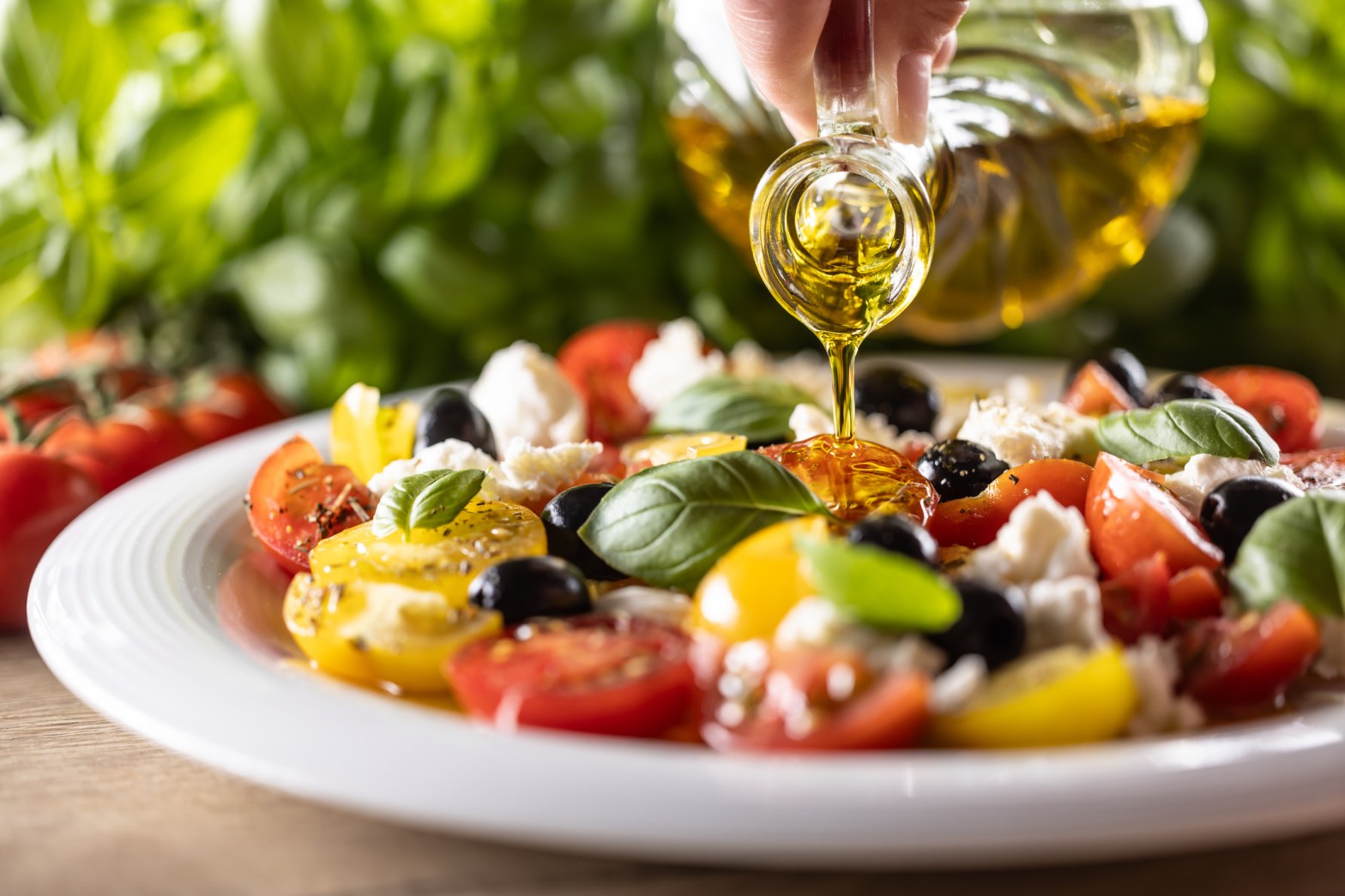
The Mediterranean diet is more than just a way of eating—it’s a lifestyle rooted in centuries of tradition, promoting health, longevity, and overall well-being. Based on the dietary habits of countries bordering the Mediterranean Sea—such as Greece, Italy, and Spain—this diet emphasizes plant-based foods, healthy fats, and moderate portions of lean protein.
The Origins of the Mediterranean Diet
The Mediterranean way of eating gained global recognition thanks to American author and explorer Dan Buettner, who identified five longevity hotspots around the world known as the Blue Zones. Two of these regions—Icaria (Greece) and Sardinia (Italy)—follow the Mediterranean diet and boast some of the world’s healthiest, longest-living populations.
Want to dive deeper? Watch Live to 100: Secrets of the Blue Zones on Netflix, where Buettner travels across the globe uncovering the secrets behind these exceptional lifespans.
Why the Mediterranean Diet Works
Not only is the Mediterranean diet linked to longer life, but it also supports:
- Weight loss and maintenance
- Hormonal balance (particularly during perimenopause and menopause)
- Reduced risk of chronic diseases such as heart disease, type 2 diabetes, and certain cancers
- Better sleep and mood
It’s not a restrictive plan—it’s a sustainable, enjoyable way to nourish your body.
Key Components of the Mediterranean Diet
🌿 1. Plant-Based Foods
Make fruits and vegetables the star of your plate. Aim to “eat the rainbow” daily with colourful produce like:
- Leafy greens (spinach, kale)
- Red and yellow bell peppers
- Carrots
- Purple cabbage
- Blueberries (rich in antioxidants)
🌾 2. Whole Grains
Choose fiber-rich, unrefined grains, including:
- Quinoa
- Brown rice
- Whole wheat bread and pasta
- Oats (rolled or steel-cut)
- Barley, rye, and buckwheat
🫘 3. Legumes
Great sources of plant-based protein and fibre:
- Lentils
- Chickpeas
- Beans (black, kidney, cannellini)
🥑 4. Healthy Fats
Extra virgin olive oil is the foundation of the Mediterranean diet. It’s best used raw or at low heat to preserve its health benefits.
Other healthy fats include:
- Avocado oil
- Flaxseed oil
- Grape seed oil
🐟 5. Lean Proteins and Seafood
Aim to eat fish 2–3 times per week. Top choices include:
- Salmon
- Sardines
- Tuna (rich in Omega-3s)
Tip: If you’re not a fan of fish, opt for a high-quality Omega-3 supplement such as
Bio Ceuticals DHA, available at Chemist Warehouse.
Other protein sources:
- Eggs
- Poultry
- Moderate servings of yogurt and cheese (choose Greek Yoghurt and Goat cheese)
🌿 6. Herbs and Spices
Add flavour—and health benefits—with a generous mix of:
- Parsley, coriander, oregano, thyme
- Turmeric, cumin, paprika
- Black pepper, cayenne

Foods to Avoid or Limit
To stay aligned with Mediterranean principles, reduce or avoid:
- Red and processed meats
- Sugary drinks and snacks
- White bread, pasta, and other refined grains
- Packaged and fast foods
- Desserts and baked goods with added sugars
- Excessive alcohol (a glass of red wine in moderation is acceptable)
It’s More Than Just a Diet—It’s a Lifestyle
The Mediterranean approach emphasizes community, movement, and joy. It encourages:
- Shared meals with family and friends
- Daily walking and light physical activity
- Mindful eating and living with purpose
This lifestyle doesn’t just support physical health—it enhances your emotional and mental well-being too.
Final Thoughts
Adopting the Mediterranean diet can transform your health—not just through what you eat, but how you live. Whether you’re aiming to manage menopause, lose weight, or simply feel better in your body, this way of life offers a flavourful, sustainable, and proven path forward.
Ready to get started? Begin by incorporating more colourful veggies, swapping your cooking oil to olive oil, and taking a walk after dinner. Small changes can lead to lasting results.

 Meditation and family yoga