
What is Intermittent Fasting?
Intermittent fasting (IF) is a dietary approach that involves alternating periods of eating with periods of fasting. Rather than focusing on what to eat, intermittent fasting emphasizes when to eat. This method is practiced for various reasons, including weight management, improved metabolic health, and in some cases, for religious or cultural purposes.
Is Intermittent Fasting Right for You?
Before starting any fasting regimen, it is essential to determine whether it is suitable for your individual health needs. While some individuals may benefit from intermittent fasting, others may experience adverse effects. Consulting with a qualified healthcare provider is strongly recommended, especially for individuals with pre-existing medical conditions.
Intermittent fasting is not recommended for:
- Pregnant or breastfeeding individuals
- People with diabetes or those undergoing cancer treatment
- Individuals with a history of eating disorders

What Does the Research Say?
Although intermittent fasting has gained popularity, scientific research on its long-term health benefits remains limited. Some studies suggest that certain fasting cycles—such as the 16:8 method (16 hours of fasting followed by an 8-hour eating window)—could be associated with increased cardiovascular risks compared to other eating patterns. Moreover, fasting may lead to side effects such as fatigue, dizziness, mood changes, headaches, constipation, and disruptions to the menstrual cycle.
It’s important to note that results can vary significantly from person to person, and what works well for one individual may not be effective—or safe—for another.
Common Intermittent Fasting Methods
There are several variations of intermittent fasting, including:
- 16:8 method: 16 hours of fasting followed by an 8-hour eating window
- 14:10 method: 14 hours of fasting and a 10-hour eating window
- 18:6 or 20:4: Extended fasting periods with 6 or 4 hours of eating, respectively
- 5:2 method: Eating normally for five days a week and reducing calorie intake significantly for the remaining two days
Choosing the Right Approach
There is no one-size-fits-all strategy when it comes to intermittent fasting. Some individuals may achieve temporary weight loss, while others may struggle with long-term adherence or experience weight regain. Instead of rigid dieting, a sustainable and balanced approach to nutrition—emphasizing whole, nutrient-rich foods—is generally more beneficial for long-term health.
A gentle introduction to intermittent fasting could involve a 12-hour fasting window, which is more manageable and often aligns with a typical daily schedule (e.g., fasting from 7 p.m. to 7 a.m.).
General Guidelines and Tips
To support a healthy intermittent fasting routine, consider the following recommendations:
- Reduce intake of sugar, alcohol, sweetened beverages, and fruit juices
- Prioritize whole, nutritious foods such as lean proteins, whole grains, leafy greens, fruits, and vegetables
- Stay hydrated by drinking plenty of water, especially during fasting periods
- Avoid skipping breakfast, unless advised by a professional; “breakfast” quite literally means breaking the overnight fast
- Limit snacking between meals
- Be flexible and willing to adjust your fasting schedule as needed to suit your lifestyle and health
Conclusion
Intermittent fasting can be a valuable tool for some individuals, but it is not universally suitable. A focus on consistent, balanced nutrition and overall lifestyle habits remains the foundation of good health. Always seek professional medical advice before beginning any new dietary regimen.
For more detailed information and expert guidance, please refer to trusted health sources such as the Mayo Clinic, dietitian Australia, Harvard Medical Journal and Hopkins medicine.
Top of Form
https://dietitiansaustralia.org.au/health-advice/intermittent-fasting
https://www.health.harvard.edu/blog/should-you-try-intermittent-fasting-for-weight-loss-202207282790
In the meantime, here are some meal ideas for lunch that you can find on my Instagram page.
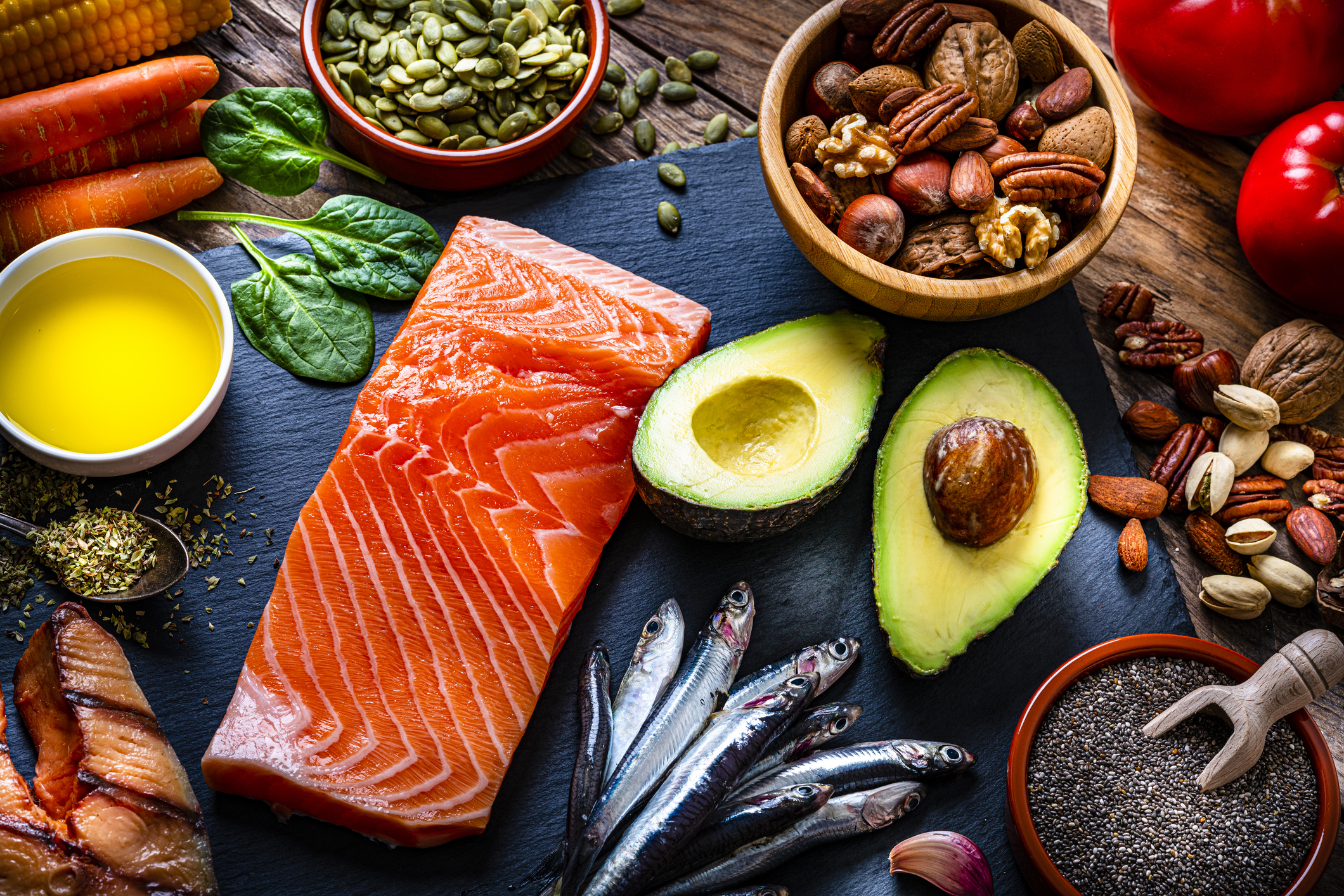
14-day lunch
| Day | First week | Second Week |
| Day 1 | Poke bowl with a can of salmon, cucumber, tomatoes, spinach, red kidney beans, avocado | Poke bowl with a can of Tuna, cucumber, Edamame beans, avocado, Rocket leaves |
| Day 2 | Boil eggs, edamame beans, parsley, kale sauteed with onion and spices, mix lettuce and cucumber | Boil eggs, cucumber, avocado, mix lettuce and coriander |
| Day 3 | Rice bowl with smoke salmon, avocado, cucumber, parsley, tomatoes, rice | Rice bowl with tuna, avocado, coriander, cucumber and cherry tomatoes |
| Day 4 | Grated Zucchini with tuna, chilli, coriander | Grated Zucchini, make your own red sauce with tomatoes, garlic and chilli and with mince meat |
| Day 5 | Sardines, black beans, avocado, mix lettuce, cucumber | Black beans, eggs, mix lettuce or kale, cherry tomatoes |
| Day 6 | Beetroot, goat cheese or feta, coriander, chickpeas, tofu, lemon or flaxseed dressing | Beetroot, haloumi, mushroom, Edamame and grilled chicken |
| Day 7 | Fish tacos with whole grain tortillas and mix leave lettuce | Grilled chicken with whole grain tortillas and lettuce |
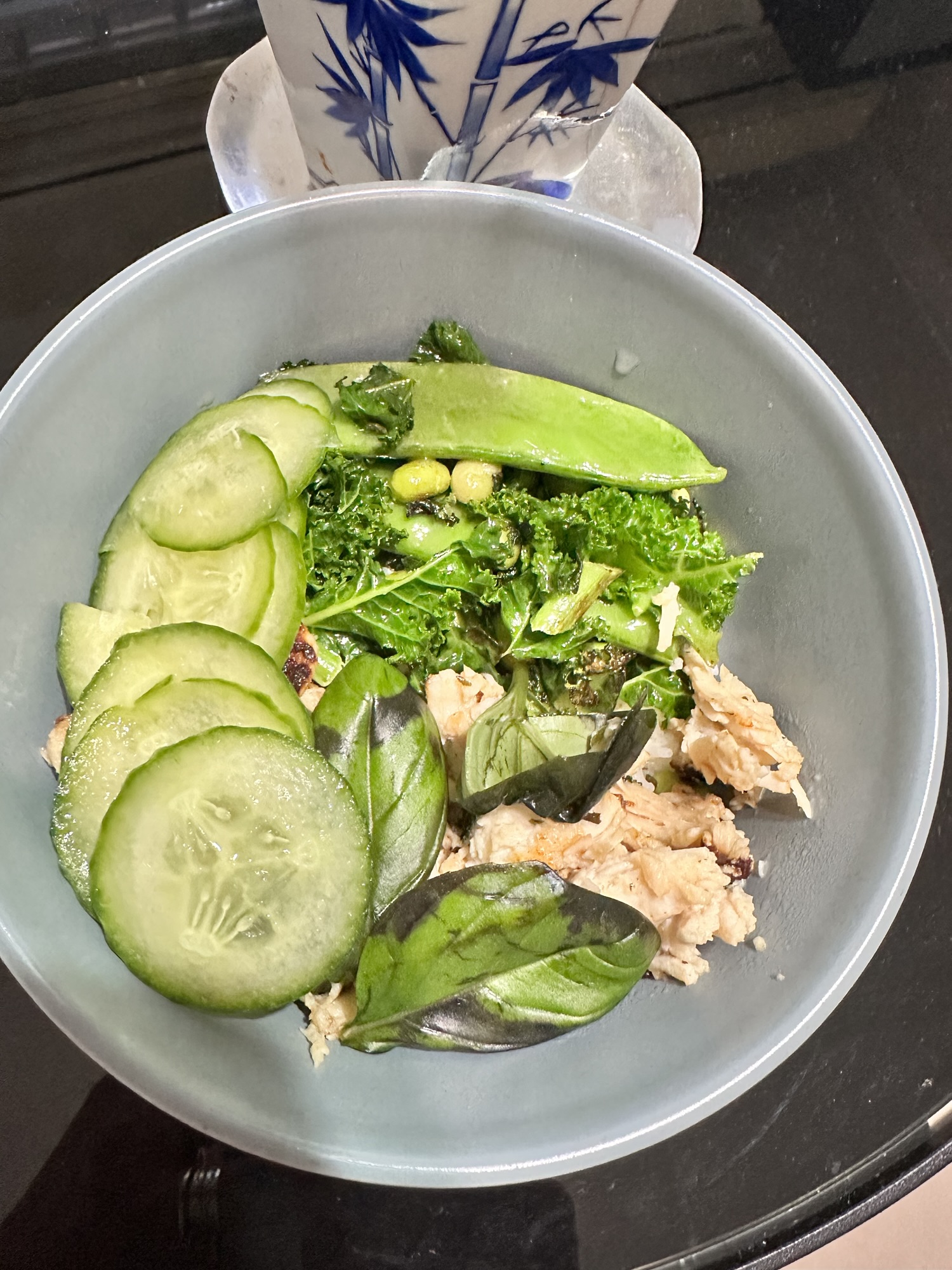
To finish this month’s blog, a poke bowl is always a nutritious lunch, and you can mix your favourite ingredients and add your protein. This can be prepared the night before to save time.
 Meditation and family yoga