
This month, we begin a new series focused on Alternative Therapies, an area of growing interest within the wellness community. In the spirit of transparency and education, I believe it’s important to explore these therapies thoughtfully and share insights based on both research and personal experience.
What Are Alternative Therapies?
Often referred to as Complementary and Alternative Medicine (CAM), these therapies include a broad range of practices and treatments used either alongside or in place of conventional medicine. They are also known as natural, holistic, herbal, or home-based remedies.
While some of these methods have been practiced for centuries across various cultures, many are still undergoing scientific evaluation. It’s essential to understand that not all alternative therapies are supported by robust clinical evidence, and some are still in the process of being studied through rigorous trials.
A Balanced Approach
From a health and safety perspective, my personal stance is clear: always consult a qualified medical professional before beginning any alternative therapy—especially if you are taking prescription medications or undergoing conventional treatment. Certain therapies or herbal remedies may interact with medications, and what works for one individual may not be suitable for another.
Some people integrate these therapies alongside conventional treatments, while others choose to rely solely on CAM. Regardless of your approach, serious health conditions should never be treated with alternative therapies alone, without the guidance of a healthcare provider.
Examples of Alternative Therapies

Below is a curated list of some widely practiced alternative therapies, each offering unique approaches to health and healing:
- Acupuncture – A traditional Chinese technique involving fine needle insertion at specific points to restore energy balance.
- Ayurvedic Medicine – An ancient Indian system focusing on harmonizing bodily energies (“doshas”) through diet, herbs, and lifestyle.
- Aromatherapy – Therapeutic use of essential oils derived from plants
- Art & Music Therapy – Creative therapies that promote emotional expression and healing through artistic mediums.
- Bowen Therapy – A gentle hands-on technique using subtle movements to stimulate the body’s natural healing.
- Chiropractic Care – Spinal adjustments and manipulations aimed at musculoskeletal alignment.
- Dietary Supplements – Vitamins, minerals, and herbal formulations used to support overall health.
- Guided Imagery – Visualization techniques used for relaxation and mental well-being.
- Herbal Medicine – Utilizes plant-based extracts for medicinal purposes.
- Homeopathy – A system using highly diluted natural substances believed to stimulate self-healing.
- Hypnotherapy – Induced relaxation and focused attention to address specific concerns.
- Meditation – Mindfulness and breath control practices that support mental clarity and reduce stress.
- Massage Therapy – Manual manipulation of soft tissues to relieve tension and enhance wellness.
- Naturopathy – A holistic approach combining natural remedies, nutrition, and lifestyle changes.
- Nutritional Therapy – Personalized dietary plans and supplementation to support health.
- Osteopathy – Focuses on physical manipulation to improve mobility and overall health.
- Reiki – An energy healing practice involving gentle touch to promote energetic balance.
- Reflexology – Pressure applied to specific points on the feet or hands believed to correspond to body organs.
- Spiritual Healing – Incorporates spiritual beliefs and practices to foster well-being.
- Tai Chi – A slow, meditative martial art focusing on movement and breath.
- Yoga – A holistic discipline combining postures, breathwork, and meditation.

Important Considerations
As with any health practice, it’s important to approach alternative therapies with informed awareness:
- Limited Scientific Evidence: Many therapies lack large-scale clinical studies, so results may vary.
- Potential Risks: Some natural remedies or techniques can have side effects or interact with medications.
- Consult Your Healthcare Provider: Always seek professional advice before starting any new therapy.
- Not a Replacement for Medical Care: These therapies should complement—not replace—conventional treatments, especially for chronic or serious conditions.
What to Expect from This Series
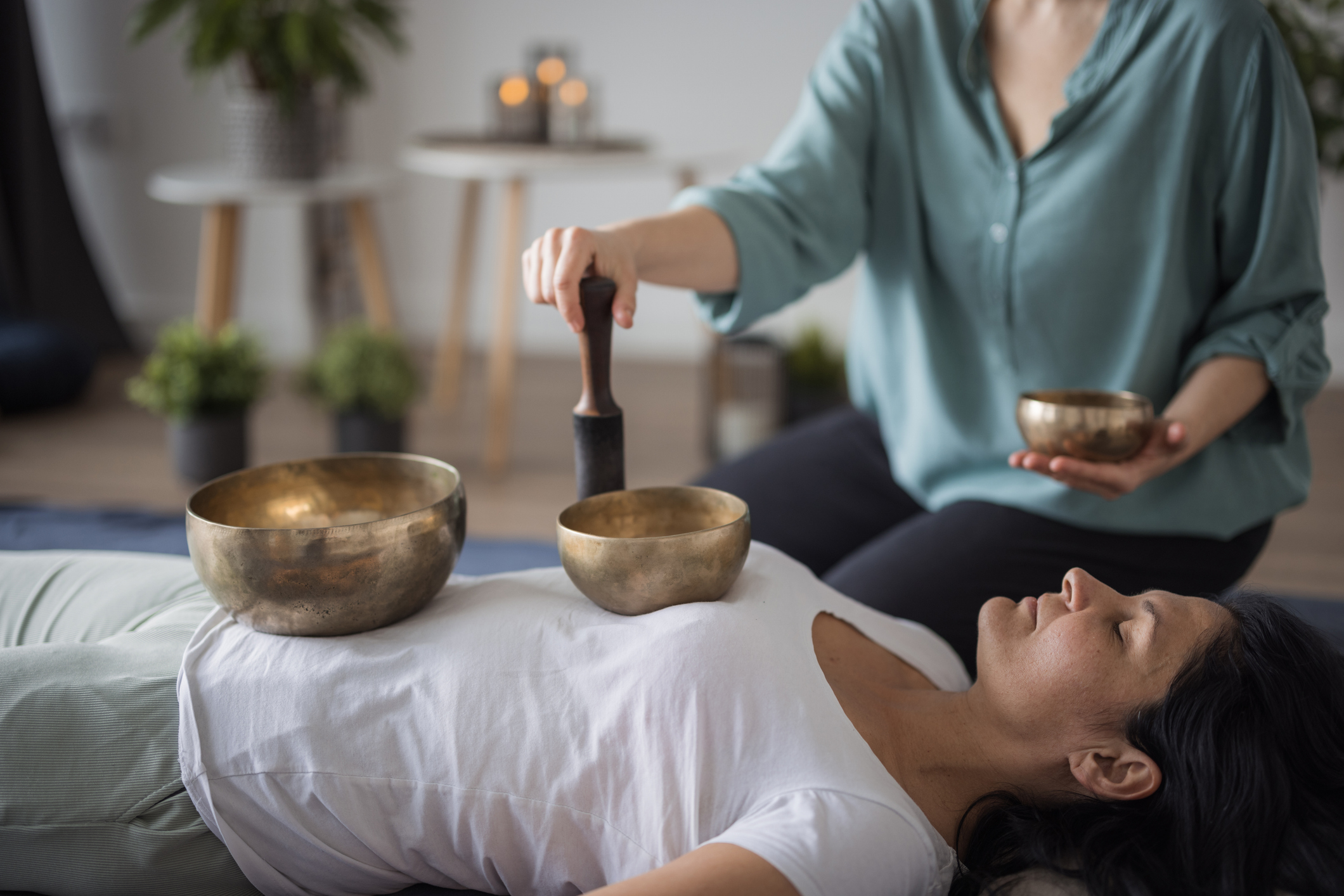
Over the coming months, I’ll be exploring several of these therapies first hand and sharing my experiences in this blog. I already practice meditation, yoga, a form of martial arts, and music/dance therapy—and I aim to increase the consistency of these practices as part of this journey. I’ll also try new therapies and provide honest reflections on their impact, benefits, and limitations.
Stay tuned for regular updates in future newsletters as we navigate this fascinating and often deeply personal landscape of wellness together.
Research/sources: Sources: National Cancer Institute
- Alternative therapies | Health and wellbeing | Queensland Government
25 Mar 2015

Queensland Government

Better Health Channel
 Meditation and family yoga