
In recent years, alternative therapies have grown in popularity as more people seek holistic approaches to health and wellness. One such therapy is acupuncture, a cornerstone of Traditional Chinese Medicine (TCM). In this blog post, we’ll explore what acupuncture is, its potential benefits and side effects, and a personal story that offers deeper insight into the experience.
What Is Acupuncture?
Acupuncture is a traditional Chinese healing technique that involves inserting fine, sterile needles into specific points of the body. These points, often located along what are known as meridian channels, are believed to stimulate the body’s natural healing processes and restore the flow of Qi—the vital life energy that flows through the body.
The goal of acupuncture is to address imbalances in the body, reduce pain, and enhance overall wellness by regulating the nervous system and encouraging the release of endorphins—natural chemicals that help block the perception of pain.
What to Expect During Treatment

When performed by a licensed practitioner, acupuncture is generally safe. However, the experience can vary depending on individual pain thresholds. Some people may experience slight discomfort, tingling sensations, or light bruising at the needle insertion points. Others report feeling deeply relaxed, with some even falling asleep during the session.
It’s important to note that acupuncture may not be suitable for everyone—particularly those with a strong fear of needles or a high sensitivity to pain and bruising.
Potential Side Effects
While serious complications are rare, minor and temporary side effects can include:
- Soreness at the needle site
- Minor bleeding or bruising
- Fatigue or dizziness post-treatment
To minimize risks, always ensure that your acupuncturist is properly trained and registered with a regulatory body such as AHPRA (Australian Health Practitioner Regulation Agency) in Australia.
A Personal Experience: A Step into Healing
Speaking from personal experience, I’ve undergone acupuncture a few times to help manage plantar fasciitis and hip bursitis. The needles were inserted in my heels, legs, and thighs. While I experienced a small amount of bleeding and minor discomfort, I generally felt relaxed afterward—almost to the point of falling asleep during the session. While my experience is limited, it opened the door to understanding the benefits of this ancient practice.
Stephanie’s Journey with Acupuncture
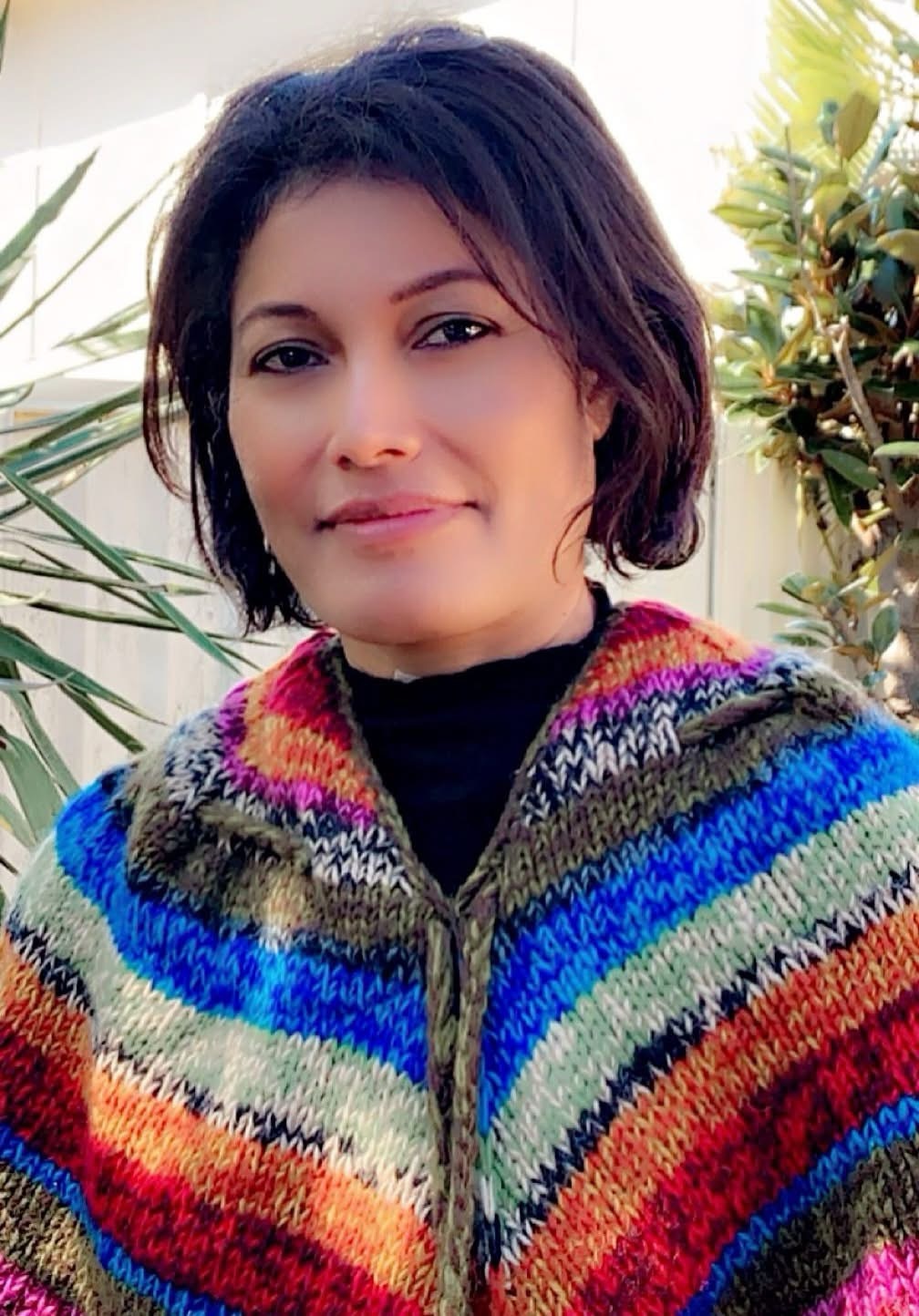
To offer a deeper perspective, I’d like to share Stephanie’s story. Stephanie began acupuncture in 2014 to address severe period pain and stress-related symptoms, including vomiting. Though she had been prescribed medication by a gynaecologist, the long-term reliance on pills felt unsustainable.
During a walk in Canberra, she discovered a small acupuncture clinic run by a Chinese acupuncturist and her son. Intrigued, she booked her first session. Though the treatment was initially painful, she noticed a significant reduction in pain and vomiting after just a few visits. Encouraged by these improvements, she committed to regular sessions.
Now, over 12 years later, acupuncture remains a core part of Stephanie’s health routine. Her treatments are complemented by traditional Chinese herbal remedies, carefully prescribed based on a holistic consultation process that assesses sleep patterns, appetite, stress levels, tongue appearance, and pulse health.
Stephanie now visits:
Samdea Herbal and Acupuncture Clinic
Shop 31, 74 Rawson St
Epping NSW 2121
She advises others to try a few practitioners to find the right fit, emphasizing that the relationship with the acupuncturist plays a key role in the healing journey.
Final Thoughts
Acupuncture is more than just a treatment—it’s a holistic practice rooted in centuries of tradition. While it may not be a quick fix or suitable for everyone, many people, like Stephanie, have found meaningful relief and support through this therapy.
If you’re considering acupuncture, consult with a qualified, licensed practitioner and have an open conversation about your medical history, goals, and concerns. As with any therapy, informed decisions lead to better outcomes.

 Meditation and family yoga