Art Therapy.
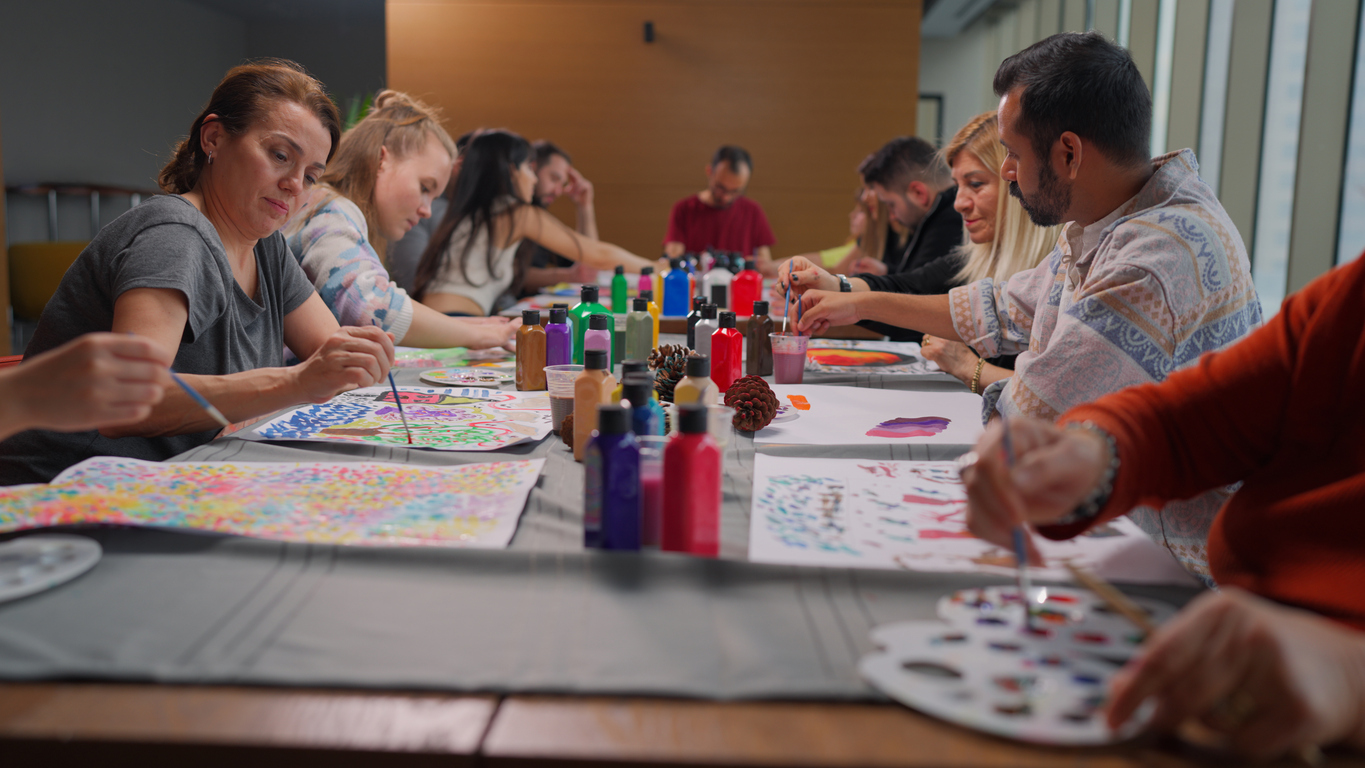
Art therapy emerged in the early 20th century from psychiatry and psychoanalysis, as clinicians began recognising that images could communicate unconscious thoughts and emotions. Today, art therapy is a recognised mental health profession practiced internationally across clinical, educational, and community settings.
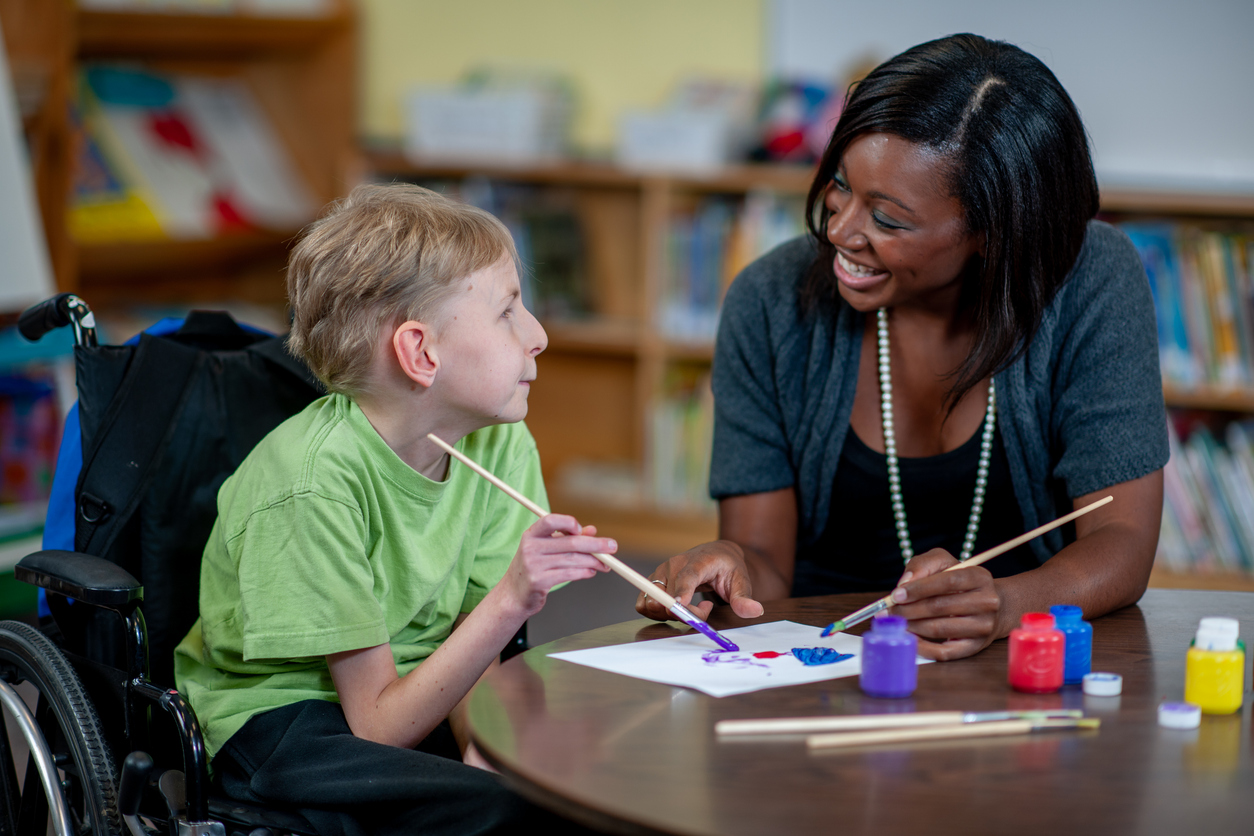
In art therapy, the image is not merely artwork; it is a psychological, relational, and symbolic phenomenon. It serves as a bridge between internal experience and external expression, allowing thoughts, emotions, memories, and embodied experiences to emerge.
Art therapists draw on a range of psychotherapeutic frameworks depending on the needs and presentation of the client. For example, trauma-informed and neuroscience-informed approaches may guide work with dysregulation and traumatic memory; existential approaches may support exploration of identity, meaning, and life transitions; while psychodynamic, humanistic, or cognitive frameworks may inform other areas of treatment. Most art therapists integrate multiple theoretical approaches rather than adhering to a single orientation.
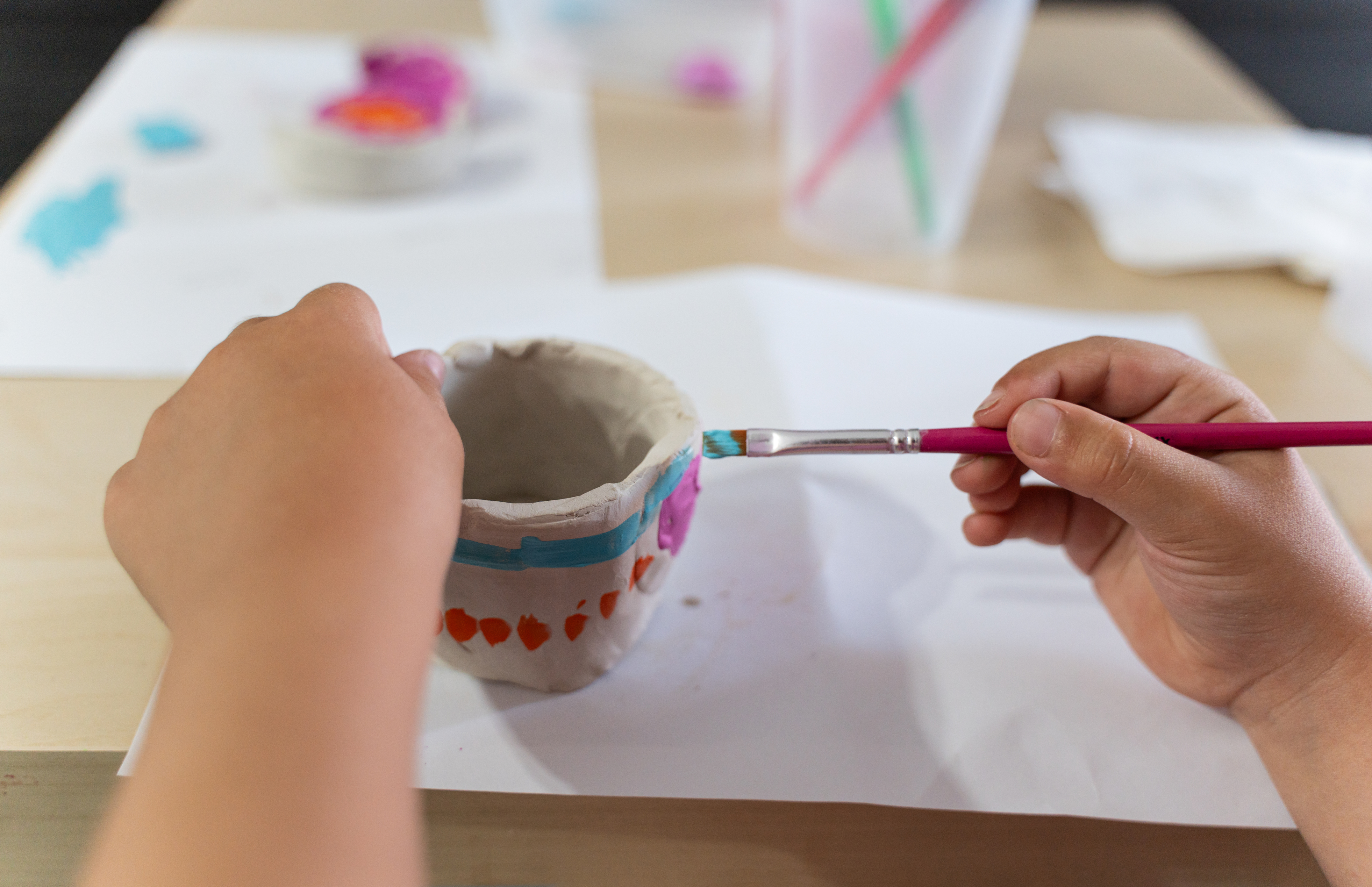
Regardless of framework, the image remains central. Art therapists utilise both two-dimensional materials (such as drawing, painting, and collage) and three-dimensional materials (such as clay and sculpture), recognising that different media engage distinct sensory, emotional, and cognitive processes that support therapeutic change.
In Australia, art therapists are commonly registered with the Australian, New Zealand and Asian Creative Arts Therapies Association (ANZACATA) and may also hold membership with the Psychotherapy and Counselling Federation of Australia (PACFA). Both organisations set professional training standards, ethical guidelines, and practice competencies.
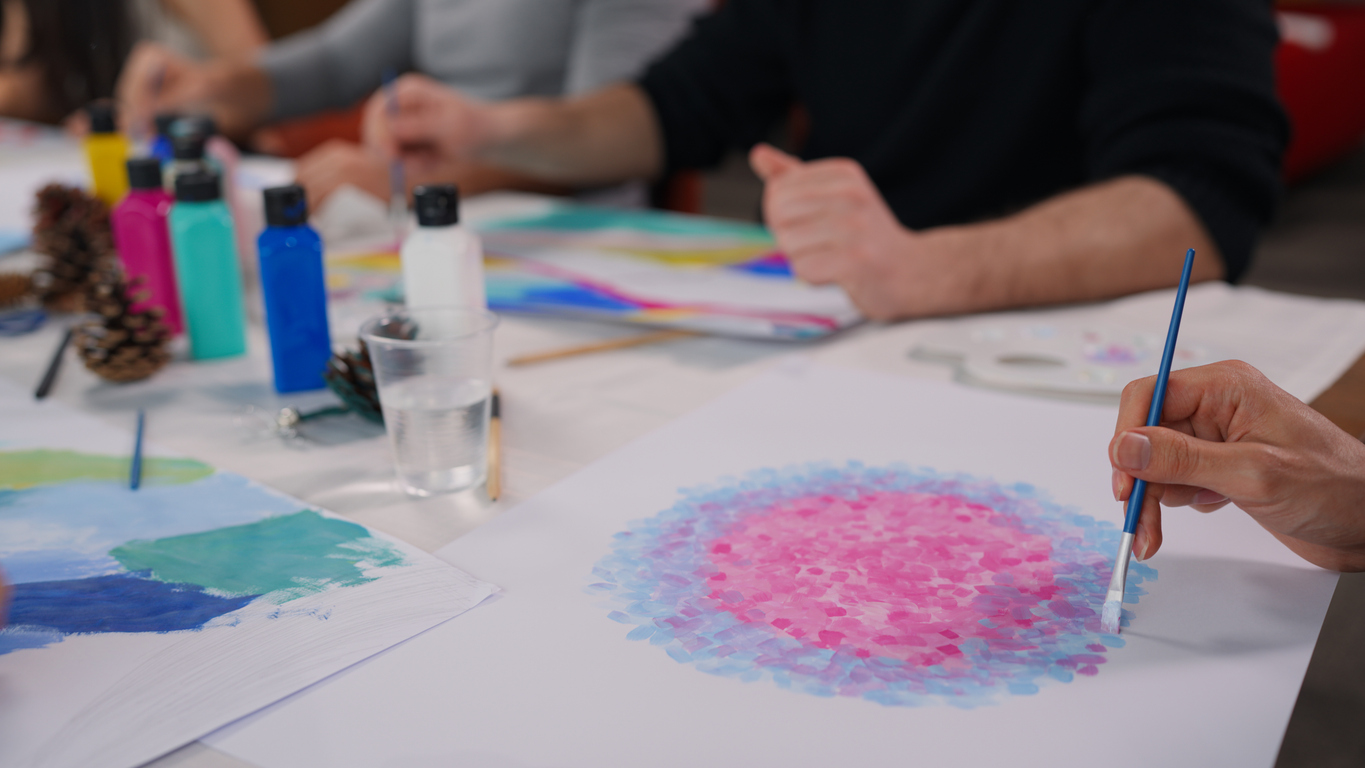
Many art therapists work in clinical roles, but not all practice exclusively within medical or hospital-based settings. The profession spans a broad range of environments, including private practice, community health organisations, schools, disability services, aged care, youth services, and non-government organisations. Not all qualified and trained art therapists work as registered clinicians; some apply their skills in community programs, wellbeing workshops, and creative facilitation to support social connection, personal development, and emotional wellbeing without providing formal psychotherapy
Stephanie Jusruth is a qualified Art Therapist (Non-registered).
The Transformative Power of Music Therapy
Art and Music Therapy are recognised, evidence-based allied health professions that support individuals across a wide range of health and wellbeing needs. While many of us instinctively turn to music for comfort or celebration, music therapy formalises this powerful connection into structured, therapeutic practice.
What Is Music Therapy?
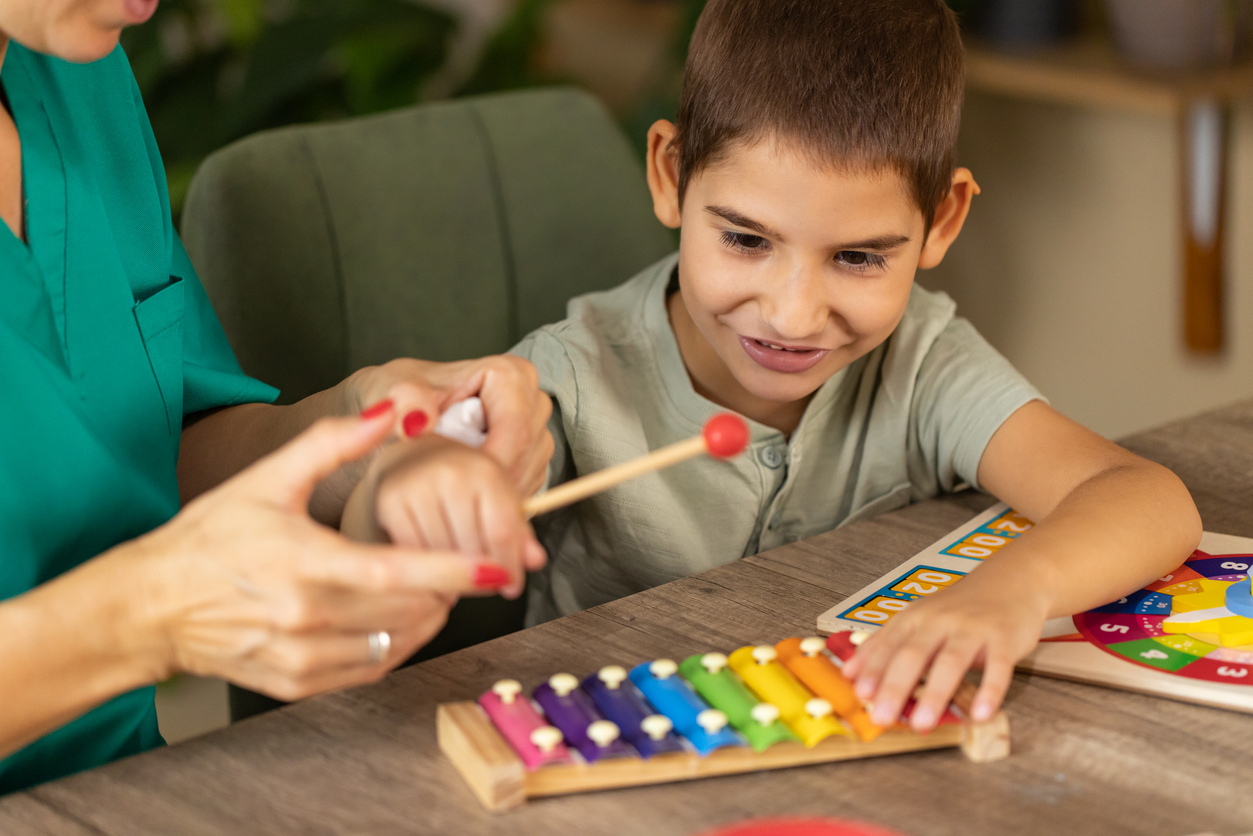
Music Therapy is the clinical and evidence-based use of music interventions to accomplish individualised goals within a therapeutic relationship. It may include listening to music, songwriting, singing, instrumental play, and movement or dance. These approaches are designed to improve physical, emotional, cognitive, and social wellbeing.
Music therapists are trained professionals who use music intentionally to support people experiencing illness, disability, trauma, or mental health challenges. Programs are integrated into healthcare systems worldwide. For example, NSW Health operates a music therapy program for selected patients, recognising its value within clinical care.
https://www.health.nsw.gov.au/workforce/modelling/Pages/music-therapy.aspx
Why Music Matters
Even outside a clinical setting, most of us understand the emotional power of music. A familiar song can instantly lift our mood, evoke cherished memories, or give us renewed energy and confidence. Rhythm encourages movement. Melody can soothe anxiety. Lyrics can articulate emotions we struggle to express.
Scientific research continues to show that engaging with music can:
- Reduce stress and anxiety
- Improve mood
- Support social connection
- Enhance motor skills and coordination
- Strengthen cognitive function
Everyday Ways to Experience the Benefits
While music therapy in healthcare settings delivers structured interventions for those who are unwell, music is also an accessible and powerful wellbeing tool for everyone.
Consider incorporating music into your daily life:
- Sing freely. Singing your favourite songs—especially when you are alone—can be liberating and energising.
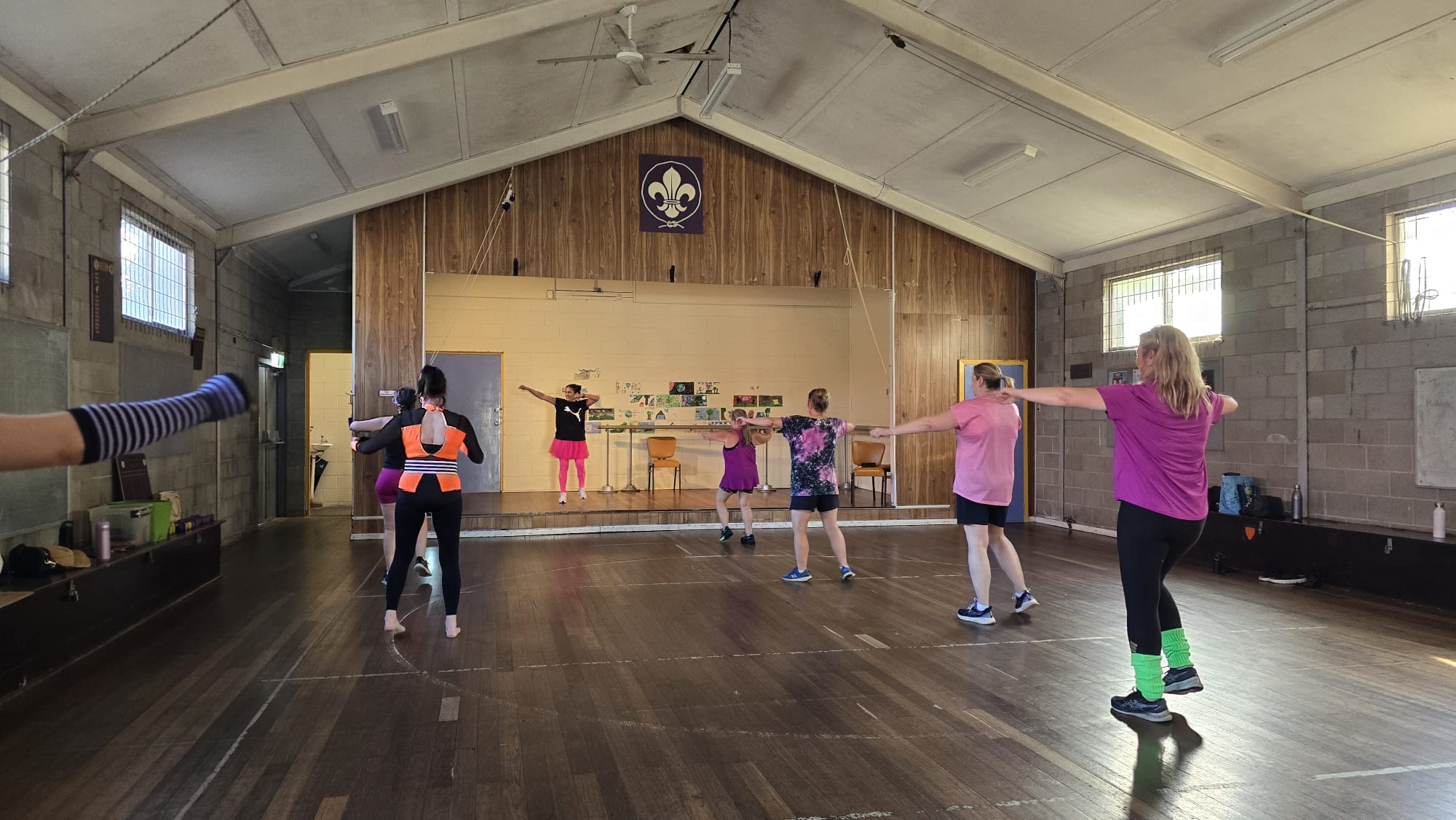
- Move to music. Dancing, tapping your feet, or swaying to a rhythm releases tension and promotes joy.
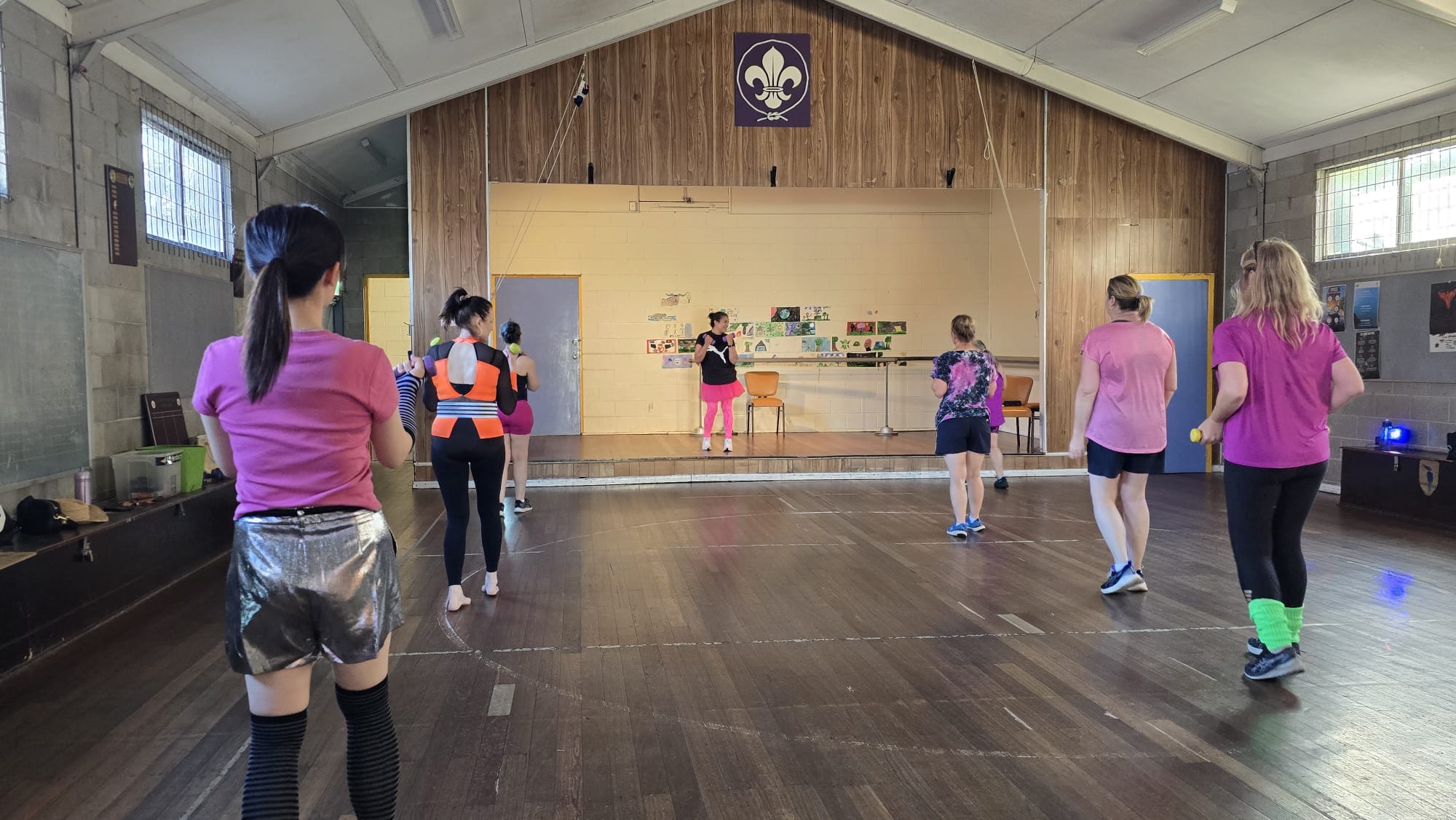
- Create connection. Joining a dance group or community music circle fosters belonging and shared empowerment. Many women, in particular, describe feeling supported and energised when dancing together.
- Learn an instrument. It is never too late to begin. Learning to play music stimulates the brain, builds confidence, and offers deep personal satisfaction.
- Curate playlists. Intentionally design playlists for relaxation, motivation, focus, or celebration.
A Simple Yet Powerful Tool
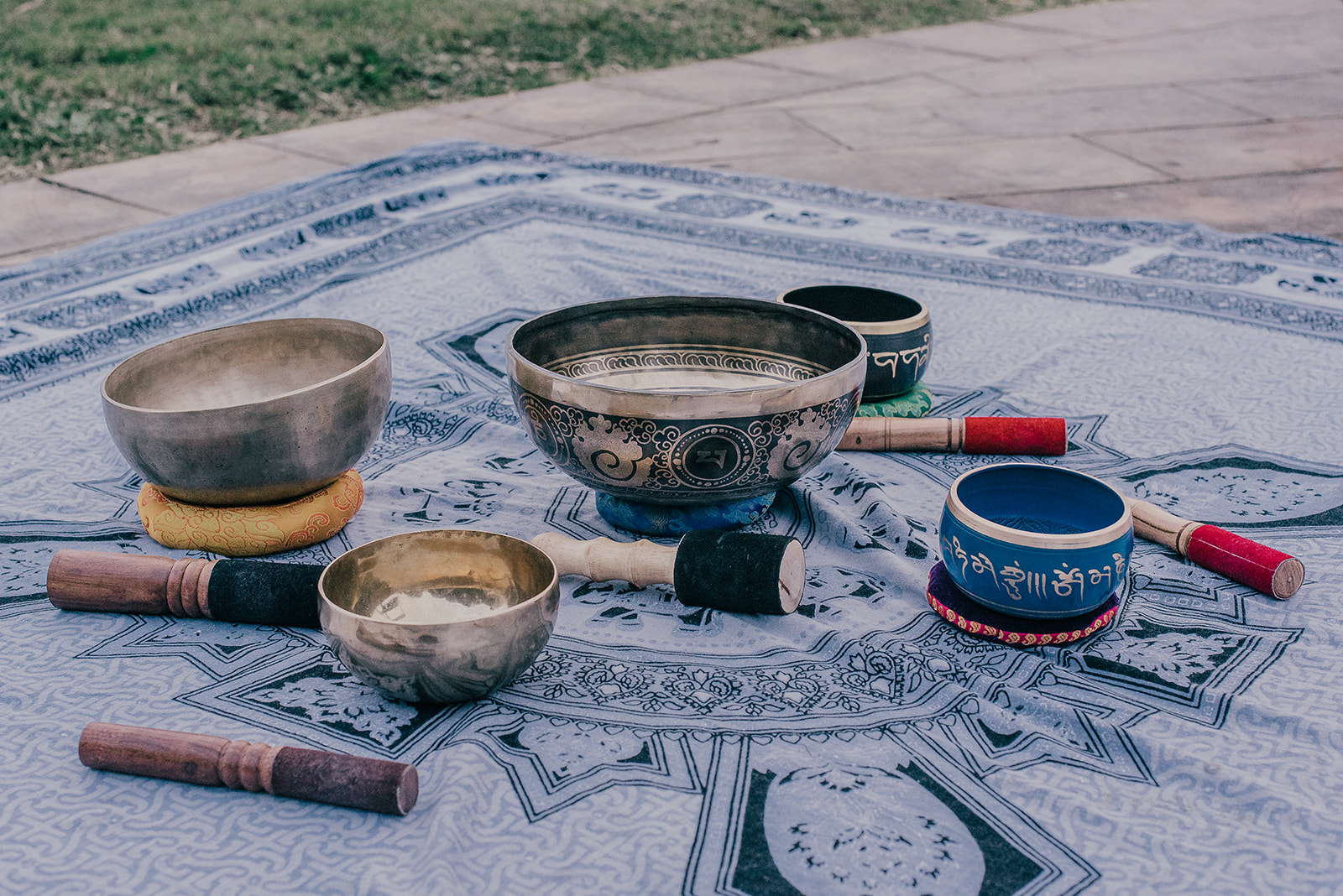
Music therapy can profoundly benefit patients facing physical or psychological challenges. Yet music’s therapeutic potential is not limited to clinical settings. It is available to all of us—through a song, a rhythm, a shared dance, or a quiet moment with headphones.
Whether you are seeking healing, expression, connection, or simply joy, music remains one of the most accessible and transformative tools for wellbeing.
So sing. Dance. Play. Listen.
Your wellbeing may thank you for it.
 Meditation and family yoga