This month in our complementary therapies’ series, we explore the practice of meditation — a simple yet powerful tool that supports both mental and physical wellbeing through mindfulness and breath awareness.
What Is Meditation?
Meditation is a mind-body practice designed to promote relaxation, reduce stress, and cultivate a sense of inner calm. When practised regularly, meditation may support emotional wellbeing, ease muscle tension, improve mood, and enhance overall quality of life.
One of the greatest benefits of meditation is its flexibility. It can be practised almost anywhere and adapted to suit different lifestyles, whether for a few minutes each day or through longer, more immersive sessions.
Understanding Meditation
There are more than 40 recognised forms of meditation, each offering different approaches and experiences. The style you choose will depend on your goals, personal preferences, experience level, and the amount of time available to you.
Meditation practices may include:
- Breath awareness
- Mindfulness
- Gentle movement
- Chanting or affirmations
- Sound healing
- Time spent in nature

At its core, meditation encourages you to gently shift your attention away from constant thoughts and towards the present moment. Becoming aware of your breath, body sensations, or surroundings are all forms of meditative practice.
Potential Benefits of Meditation
When practised consistently and appropriately, meditation may help to:
- Reduce stress and anxiety
- Improve sleep quality
- Support healthy blood pressure levels
- Assist with pain management
- Support overall wellbeing alongside medical care
- Increase mindfulness and self-awareness
While meditation is not a replacement for professional medical treatment, it can be a valuable complementary wellness practice.
Creating a Safe and Supportive Practice
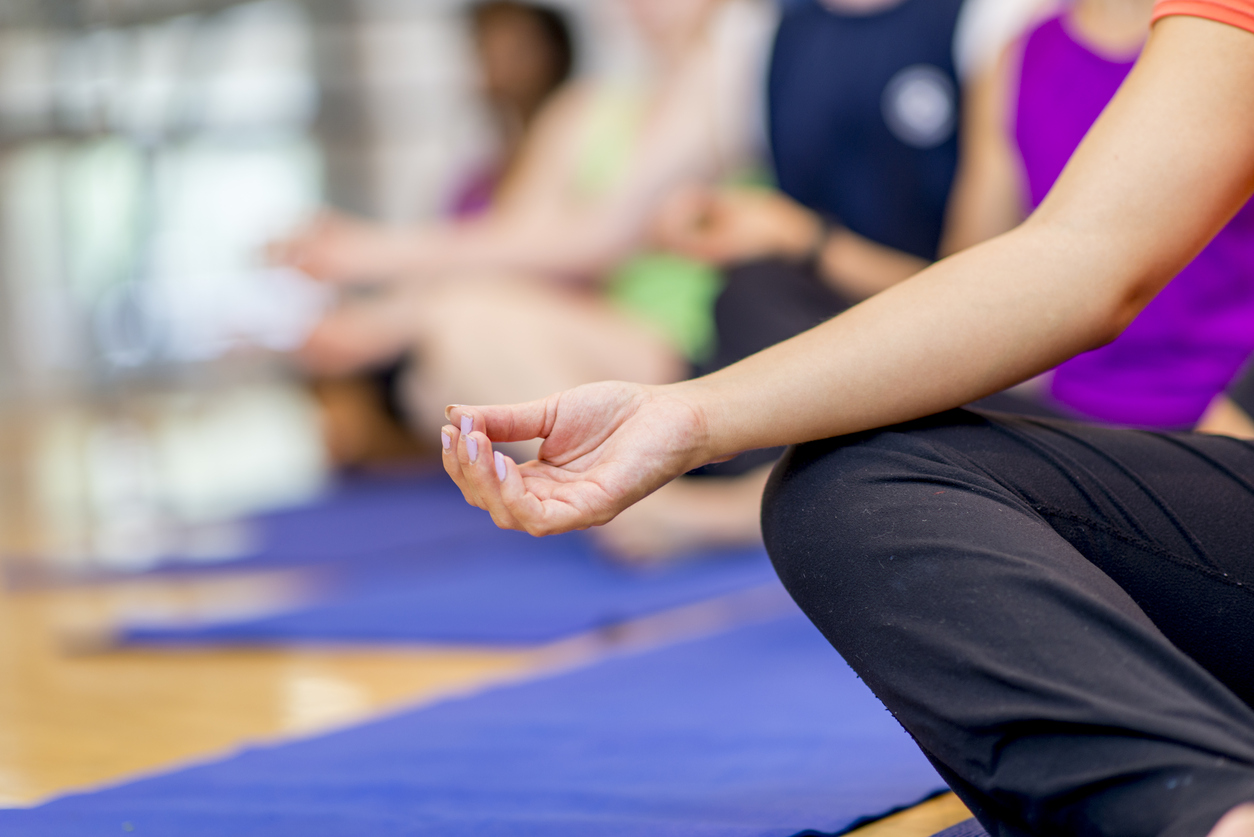
Meditation can be practised seated with feet grounded on the floor, sitting comfortably on a yoga mat, or lying down, depending on the style of meditation being offered.
For beginners, it is important to understand that relaxation often takes practice. Many people experience resistance or difficulty quieting the mind at first. With patience and regular practice, it becomes easier to release mental distractions and become more connected to the breath, body, and present moment.
Working with an experienced facilitator or meditation teacher can also help create a more supportive and comfortable experience.
Important Considerations
Meditation practices should always be adapted thoughtfully for individuals experiencing severe mental health conditions. Certain techniques, such as guided imagery or prolonged eyes-closed practices, may not be suitable for everyone and should be approached with professional guidance.
For individuals with complex mental health needs, gentler mindfulness-based approaches may be more appropriate, including:
- Simple breathing exercises with eyes open
- Mindful walking in nature
- Music, singing, or dancing
- Creative activities such as painting
Creating a safe, grounded, and supportive environment is essential.

Exploring Sound Bath Meditation
For those new to meditation, a sound bath can be a gentle and deeply relaxing introduction to mindfulness practice.
A sound bath meditation uses soothing vibrations and layered sounds from instruments such as:
- Tibetan or crystal singing bowls
- Bells
- Drums
- Gongs
Sessions typically begin with guided breathing exercises to help the body relax. As the sounds build and overlap, participants are encouraged to simply rest, listen, and allow the body to soften into a state of calm awareness.
Many people describe sound baths as deeply restorative and grounding experiences.
How Does a Sound Bath Work?
Sound baths are usually experienced lying down in a comfortable reclining position rather than seated. Using a blanket is recommended, as body temperature can naturally decrease during deep relaxation.
During the session, the facilitator guides participants into a calm state before introducing various healing sounds and vibrations. At the conclusion of the meditation, participants are gently brought back to full awareness before returning to their day.
Final Thoughts
Meditation does not need to be complicated to be effective. Even five minutes of mindful breathing each day can make a meaningful difference to your wellbeing over time.
The most important thing is to choose a practice that feels supportive, calming, and sustainable for you.
Further Reading
Learn more about mindfulness:
https://www.healthdirect.gov.au/mindfulness
Learn more about meditation:
https://www.healthdirect.gov.au/meditation
Try a short sound bath meditation at home:
https://youtu.be/NiHcaUon6zQ?si=StM9fReVOQkpni_Y

